Find your ideal practice situation with ADA Practice Transitions – Pilot opens April 1
 ADA
ADA
Practice Transitions fosters relationships between dentists at
key points in their careers. The new service, piloting this spring
in Maine and Wisconsin, pairs dentists looking to join or buy a
practice with dentists looking to hire or sell. The online platform
includes resources tailored to each dentist’s career stage and
training to help achieve a successful transition. The service helps
incoming dentists better articulate their goals and ideal practice,
and then matches them with dentists and practices that share a
similar philosophy of care.
ADA Practice Transitions assigns a dedicated Advisor to each
partnership to help facilitate the process and provide personalized
guidance and support. We spoke with Dr. Suzanne Ebert, the first
ADA Practice Transitions Advisor, to learn more about the service
and her background.
ADA: Dr. Ebert, can you please tell us a little
about yourself?
Dr. Ebert: I am first and foremost a clinical
general dentist. I spent 12 years in private practice after
graduating from the University of Louisville and completing a GPR.
I started my practice from scratch and ran it for 11 years, had
some health concerns that forced me to consider other options, and
sold that practice. Then, for six and a half years, I was the
dental director for a Federally Qualified Health Center, where I
worked closely with the senior students from the University of
Florida as they delivered care to underserved populations. I have
been heavily involved in organized dentistry, rising to the level
of Trustee with the Florida Dental Association. My current role is
the VP of Dental Practice and Relationship Management for the ADA
Business Innovations Group, and I will be the first ADA Advisor for
ADA Practice Transitions.
ADA: What led you to be part of ADA Practice
Transitions?
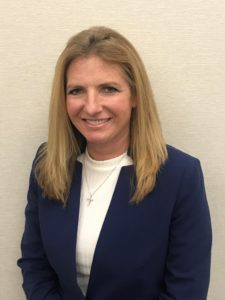
Dr. Ebert
Dr. Ebert: I see this as an opportunity to help
dentists address a real problem that we all face at some point in
our careers. I have heard too many dentists less than 10 years out
of school say that they feel “lost” as they search for career
opportunities – they really do not know where to look, or what
options are available to them. I have also heard from dentists who
are considering selling or expanding their practices who have not
thought through their own personal and financial goals.
Plus, I find it very disturbing that over 35% of dentists enter
into associateships with no contract, which leaves both the
incoming dentist and the owner dentist open to liability.
Every dentist I talk to has one primary concern: their patients.
I want to be a part of ensuring that every patient has access to
high quality dental care delivered by a dentist who is happy and
confident that they are doing the best dentistry they can. I also
want each dentist to have confidence that when they leave their
practice, their patients will be taken care of.
ADA: Why do you think our profession needs ADA
Practice Transitions now?
Dr. Ebert: As dentists retire – many without
a solid transition plan – patients often lose the dentist they
have trusted for years. When I sold my practice, very few of my
patients remained with the new owners. Although they had many other
choices in the area, I felt like I had let them down by not
ensuring the practice continued delivering the same style of care
that they had become accustomed to.
I wonder, if this service had been available, would the outcome
would have been different?
I want to be a part of the solution that helps transform the
profession and helps ensure patients have that continuity of care.
That is what makes this worth the sacrifices – I left Florida for
Chicago, and now I need an ankle-length parka, scarf, sweater,
gloves and hat to get to my 100 sq ft office where I can be a part
of the solution.
ADA: What can we expect from the ADA Advisor
role?
Dr. Ebert: Dentists start participating in ADA
Practice Transitions by completing a detailed online profile. Once
the profile is submitted, the ADA Advisor reviews all the
information and makes recommendations to ensure participants are
representing themselves in the best possible way. As the system and
ADA Advisor work to match platform participants, the Advisor sends
dentists customized worksheets to help define their goals and
expectations and guide them through the interview and evaluation
process. As dentists work to formalize their relationship, the
Advisor will also be there with resources that will help set
expectations and identify milestones.
After the contracts have been signed, the Advisor will continue
checking in to ensure that the first few months are going well and
all parties are communicating effectively. Dentists will be
provided with self-assessments and training tools to support these
conversations. Finally, the Advisor will be there to make sure the
transition is successful as dentists approach their milestones.
Watch a video to learn more at
ADA.org/PracticeTransitions.
from General Dentist Hammond, Louisiana https://ift.tt/2F7bn53
from Orthodontist WordPress https://ift.tt/2EW5lmr

Comments
Post a Comment